
If you’re exploring decorative stainless steel sheets, panels, and plates, you probably want to know how to choose the right materials for your project. With so many options in finishes, textures, and grades, making the right decision can seem overwhelming. Whether you’re an architect, interior designer, or contractor, understanding the key specifications—like finishes, alloys, dimensions, and application suitability—is essential to achieving stunning, durable results. In this guide, you’ll discover everything you need to know about decorative stainless steel sheets to elevate your designs and streamline your procurement process. Let’s get started!
Decorative Stainless Steel Guide

When I specify decorative stainless steel sheets, panels, or plates, I am usually solving two problems at once: I need a clean architectural look, and I need a surface that can hold up over time.
Decorative stainless steel moved beyond industrial use because it fits both interior and exterior design. It works well where designers want a modern finish, steady performance, and easier maintenance in daily use.
Why I choose stainless steel
| Material | Practical reason |
|---|---|
| Stainless steel | Strong, durable, and well suited to long-term use |
| Aluminum | Lightweight, but not always the best choice for premium decorative wear |
| Brass | Attractive, but can need more care over time |
| Copper | Distinctive, but can change appearance faster |
For long-term value, I usually look at durability, corrosion resistance, and upkeep, not just the first purchase price. That is where stainless steel often stands out.
Who this guide is for
- Architects planning grade 304 architectural panel applications
- Designers comparing finishes and surface effects
- Contractors managing fabrication and installation
- Procurement teams building an RFQ or sourcing plan
This guide is meant to help buyers make practical decisions on decorative stainless steel sheets, B2B stainless steel supplier options, and project fit without overcomplicating the process.
Choosing the Right Stainless Steel Grade

I start with the jobsite, not the price tag. The right stainless steel grade depends on where the sheet goes, how much moisture it sees, and how long it needs to stay clean and stable.
For indoor decorative panels, elevator interiors, and wall cladding, I focus on appearance, flatness, and easy maintenance. For outdoor, coastal, or high-humidity areas, I put corrosion resistance first. In low-moisture spaces, a cost-sensitive grade can make sense when performance demands are lighter.
| Use case | What matters most | Buying focus |
|---|---|---|
| Indoor panels | Finish quality and clean lines | Stable surface and easy upkeep |
| Exterior exposure | Corrosion resistance and durability | Longer service life |
| Dry, low-traffic spaces | Budget control | Enough performance without overspending |
When I compare options, I look at three things: corrosion resistance, durability, and total project cost. That keeps me from overbuying and helps me match the material to the real application instead of guessing.
Decorative Stainless Steel Finishes
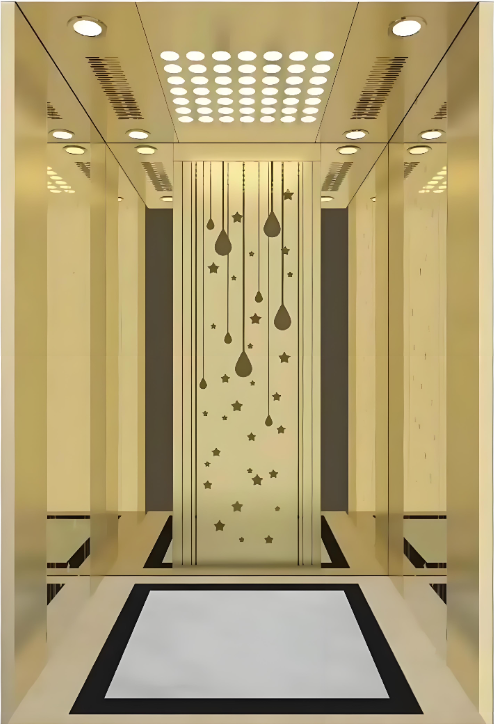
When I choose a finish, I start with how the surface will look up close, how it will wear, and how much daily cleaning it will need. For decorative stainless steel sheets, the finish often matters as much as the grade.
Satin and Hairline
- No. 4 satin finish works well when I want a clean, soft-metal look without strong reflections. It fits wall panels, trim, and public-facing surfaces that need to stay practical.
- Hairline finish vs satin finish comes down to visual direction. Hairline is more linear and refined, while satin feels smoother and more even across the panel.
- For premium architectural surfaces, I use hairline when I want a sharper design statement and satin when I want a calmer, more uniform result.
Mirror and High Reflectivity
- No. 8 mirror polished stainless steel sheet is the right pick when the design needs a bright, high-reflective surface.
- I use it carefully in feature areas, because the finish is bold and shows light, movement, and surroundings very clearly.
Commercial-Ready Matte Looks
- Vibration and non-directional finishes are a smart choice in busy commercial spaces where visual consistency matters.
- These finishes help reduce the look of everyday marks and keep large surfaces from feeling too flat or too shiny.
Sandblasted and Etched Options
- For custom matte and patterned looks, I often look at sandblasted and etched stainless steel.
- A sandblasted stainless steel plate with a matte finish gives a softer surface feel and a more understated design effect.
- Sandblasted and etched finishes are a strong fit when I want texture, contrast, and a more tailored architectural look.
PVD Color Coating and 3D Textures
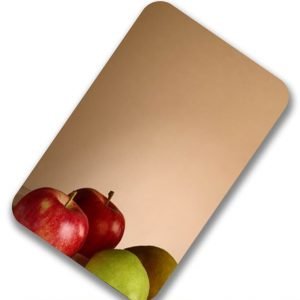

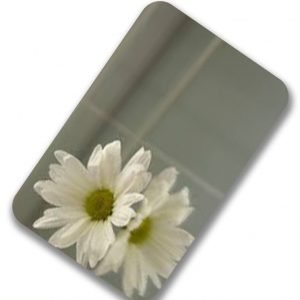
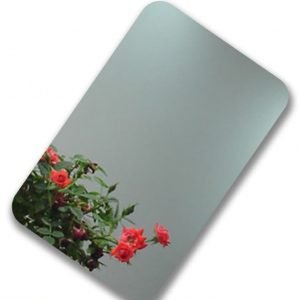
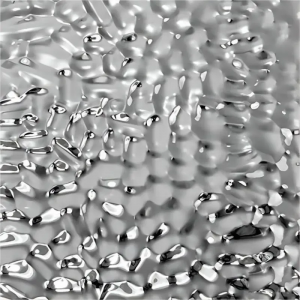



For added dimension, water ripple stainless steel sheets create dynamic reflections ideal for ceilings, feature walls, and accent panels. Embossed metal sheets with textures like linen, leather, and diamond not only enhance visual appeal but also improve stiffness, mask surface wear, and alter the overall look and feel of the metal. These textured embossed metal sheets bring both functional benefits and aesthetic depth to any project, as seen in our range of sand impression embossed stainless steel options.
Thickness, gauge, and sheet size guide

Understanding thickness, gauge, and sheet size is crucial for selecting the right decorative stainless steel sheets for your project.
Converting gauge, millimeters, and inches
- Gauge: A standard measurement system for metal thickness, but varies by material and application.
- Millimeters (mm): Precise measurement used worldwide.
- Inches: Common in North America, often used in architectural projects.
- To convert gauge to mm or inches, refer to a metal sheet gauge chart. For example, 20 gauge stainless steel is approximately 0.9 mm thick, while 16 gauge is around 1.5 mm.
Standard sheet sizes
- Typical sizes include 4×8 feet and 4×10 feet.
- These sizes are ideal for most interior and exterior applications, simplifying project planning and fabrication.
- Larger custom sizes are also available for specific projects, especially when working with high-end finishes or large surfaces.
Thickness ranges for different applications
| Application | Typical Thickness | Notes |
|---|---|---|
| Trim & decorative panels | 0.5–1.2 mm | Light, easy to install |
| Wall panels & cladding | 1.2–2.0 mm | Balances weight and durability |
| Elevator cladding | 1.5–3.0 mm | Impact-resistant, long-lasting |
| Exterior plates | 2.0–3.0 mm | High load and weather resistance |
How to choose thickness
- Load & impact resistance: Heavier or high-traffic areas require thicker sheets.
- Installation method: Thinner sheets are easier to bend and shape; thicker sheets provide more durability.
- Budget considerations: Thinner sheets are generally more cost-effective but may need reinforcement.
Selecting the right thickness, gauge, and sheet size ensures your decorative stainless steel panels perform well and meet your design goals. For more detailed sizing information, consult a metal sheet gauge chart or work with a trusted B2B stainless steel supplier.
Fabrication and edge processing of decorative stainless steel sheets require careful attention to detail to ensure quality results. Mill edges provide a clean, smooth finish ideal for precise assembly and seamless appearance, making them suitable for high-end architectural panels. In contrast, slit edges can be quicker and more cost-effective but may need additional finishing for a polished look.
Laser cutting stainless steel is a popular method for intricate designs, but it must be done carefully to avoid damaging mirror or PVD finishes. Using the right laser parameters and protective films helps maintain surface integrity and prevents discoloration or surface burn marks. For decorative panels, CNC bending is common, but it has radius limits depending on the stainless steel grade and thickness. Proper bending techniques prevent cracking, warping, or distortion, especially when working with thicker sheets or sensitive finishes.
To avoid issues like cracking, color change, or distortion during fabrication, it’s essential to select appropriate processing methods and tools. Using controlled temperature settings, supporting the sheet properly, and choosing the right edge processing techniques all contribute to a flawless final product. For detailed fabrication guidance, consulting with experienced fabricators and suppliers ensures that your decorative stainless steel sheets meet both aesthetic and structural standards.
Protective film and surface protection
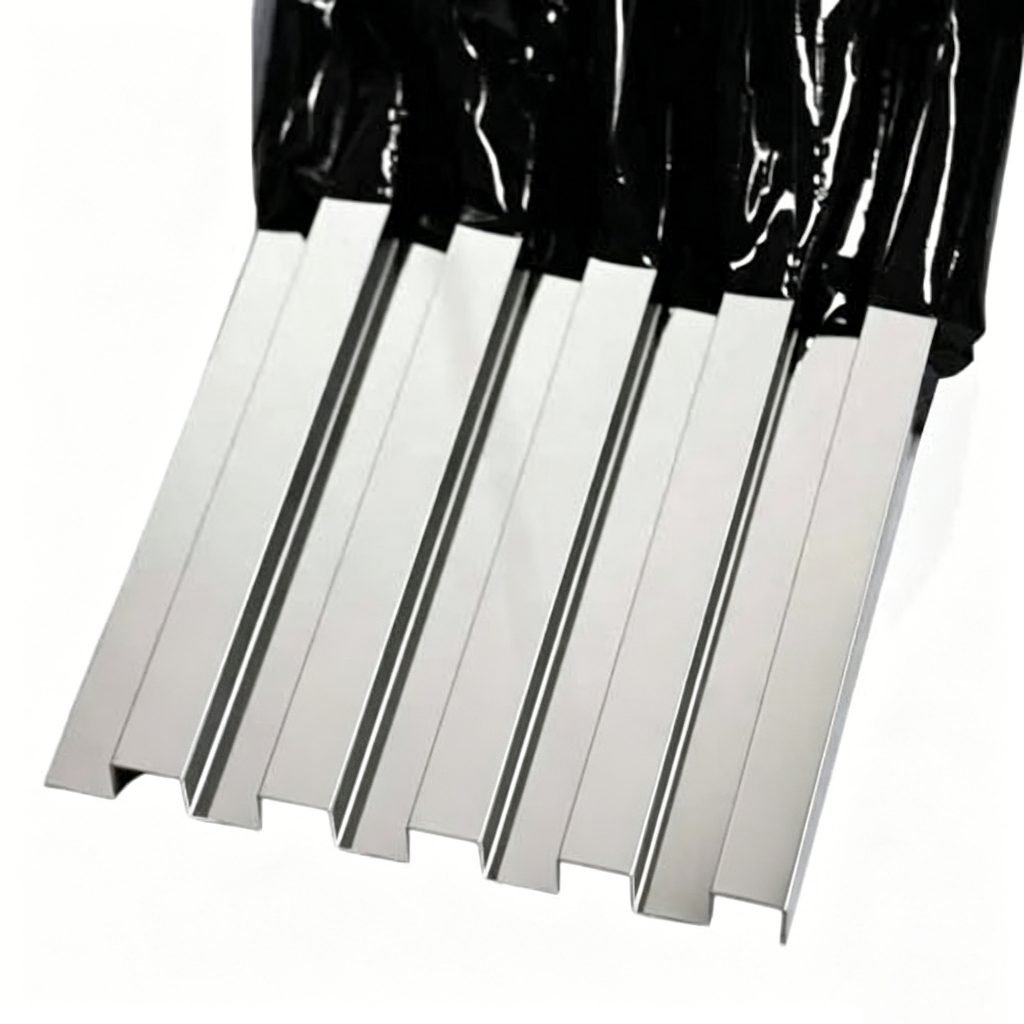
Using laser-compatible PE protective film is essential during the fabrication of decorative stainless steel sheets. It shields the surface from scratches, dust, and damage caused by cutting, bending, and handling. Without proper protection, finishes like mirror or PVD coatings can easily get scratched or stained, compromising the final look.
Single-layer vs double-layer film
- Single-layer film: Offers basic scratch resistance, suitable for light handling and short-term protection.
- Double-layer film: Provides enhanced durability, better residue control, and more effective protection during complex fabrication or shipping.
Film thickness options
| Thickness | Best for | Benefits |
|---|---|---|
| 75-100 microns | Light handling, interior applications | Easy to peel, minimal residue |
| 100-150 microns | Heavy-duty use, outdoor panels | Superior scratch and impact protection |
Thicker films reduce residue and scratches but may be more difficult to remove cleanly. Choosing the right thickness depends on the project’s handling, installation, and environmental conditions.
Maintaining grain direction
To ensure visual consistency across multiple panels, keep the protective film aligned with the stainless steel grain direction during application. This prevents mismatched reflections and surface irregularities, especially important for large or seamless installations. Proper alignment also helps avoid uneven wear or damage during handling and installation.
Proper surface protection with the right film type and thickness ensures the decorative stainless steel sheets maintain their aesthetic appeal and surface integrity throughout fabrication and installation.
Decorative Stainless Steel Panel Installation
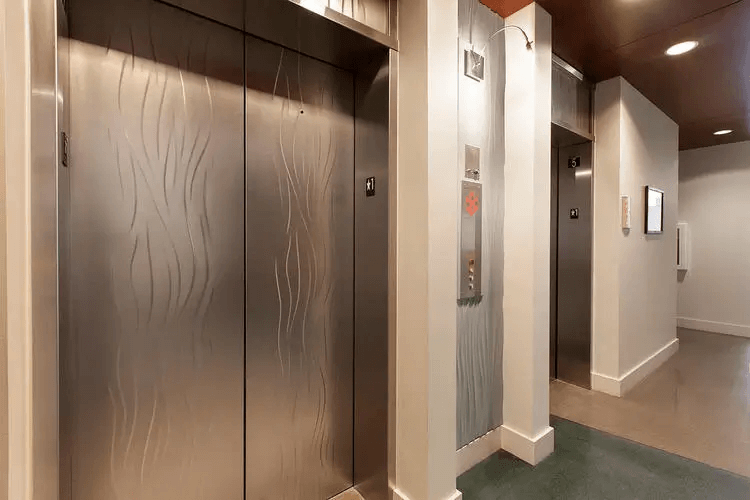
Pick the right fixing method
- I use direct adhesive bonding for thin decorative stainless steel sheets on smooth, stable substrates.
- For interior wall systems, wood framing with interlocking grooves helps keep the layout tight and the finish consistent.
- For heavier exterior or high-altitude panels, I use Z-clips and aluminum brackets for stronger support and easier panel replacement.
Control movement and seams
- Stainless steel can move with temperature changes, so I allow proper expansion space at edges and joints.
- I check panel alignment before final fixing to keep lines straight across the surface.
- Clean seams matter, so I plan the joint spacing early and keep the installation method consistent across the job.
Practical fit
- For a cleaner architectural wall panel installation, I match the fixing system to the panel weight, substrate condition, and project location.
- On larger decorative stainless steel panels, a stable frame and accurate layout reduce distortion, gaps, and visible stress marks.
Stainless Steel Sheet RFQ
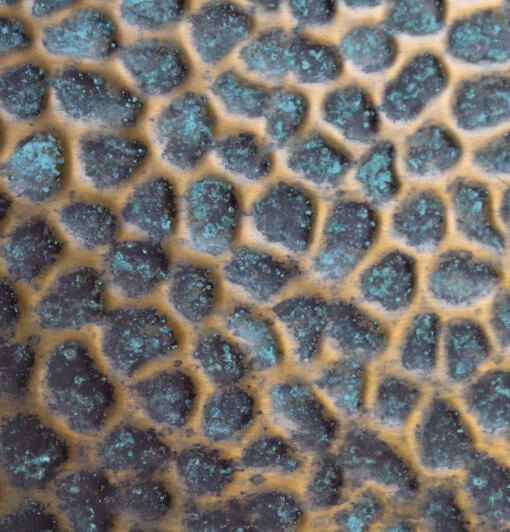
When I write a stainless steel sheet RFQ, I keep it short, specific, and easy to quote. That saves time, cuts back-and-forth, and helps a B2B stainless steel supplier give me a cleaner offer for custom sheet metal fabrication.
RFQ checklist
| Item | What I include |
|---|---|
| Grade | 304, 316, or other requested grade |
| Finish | Mirror, hairline, satin, or textured finish |
| Color | Natural steel or PVD color coating steel if needed |
| Thickness | Millimeters or gauge, with clear tolerance |
| Sheet size | Exact cut size or standard sheet size |
| Quantity | Total pieces, order split, and project schedule |
| Film | Laser cutting protective film type, side, and protection level |
Proof I request
I also ask for basic quality proof before approval:
- Mill certificates for material traceability
- Quality documents that confirm the supplied grade
- Surface photos for finish and color review
- Flatness checks for panel use
- Tolerance details for cutting and bending work
What I check before approval
For decorative panels, I focus on the details that affect appearance and fit:
- Color consistency across all sheets
- Flatness for wall and ceiling use
- Edge quality after cutting
- Surface protection to reduce scratches in transit
- Size tolerance so installation stays clean and aligned
Simple RFQ formula
A clear request usually looks like this:
Grade + finish + color + thickness + size + quantity + film + packing
That format helps me get faster quotes, easier comparison, and fewer mistakes before production and export packing.
Stainless Steel Sheet FAQs

1. What is the best grade for decorative indoor panels?
Grade 304 stainless steel is ideal for indoor decorative panels, elevator interiors, and wall cladding due to its excellent corrosion resistance and finish options.
2. What is the difference between mirror, hairline, and satin finishes?
| Finish Type | Description | Best Use |
|---|---|---|
| Mirror (No. 8) | Highly reflective, polished surface | Premium architectural accents, elevator panels |
| Hairline | Fine linear texture with subtle shine | High-end interiors needing a soft glow |
| Satin (No. 4) | Smooth, matte finish with light reflection | Versatile for walls, panels, and commercial spaces |
3. Is PVD coating better than paint for decorative metal sheets?
PVD color coating bonds directly to stainless steel, offering superior durability, scratch resistance, and color stability compared to paint. Popular PVD colors include champagne gold, rose gold, and black titanium, enhancing design options with lasting finishes.
4. How thick should elevator wall cladding panels be?
Elevator wall cladding typically ranges from 0.6mm to 1.0mm thickness. Thicker panels improve durability and impact resistance while maintaining a sleek look. For detailed options, see rose gold decorative panels with precise thickness control (rose gold panels).
5. How do I choose between 304 and 316 stainless steel?
– 304: Best for indoor use with moderate moisture; cost-effective and versatile.
– 316: Marine-grade, ideal for outdoor, coastal, or high-humidity environments due to superior corrosion resistance.
6. What should I put in a stainless steel sheet RFQ checklist?
Include these essentials to get accurate quotes and ensure quality:
– Stainless steel grade (e.g., 304, 316)
– Finish type (mirror, satin, hairline, PVD color)
– Thickness and gauge (refer to metal sheet gauge thickness chart)
– Sheet size and quantity
– Protective film requirements (laser cutting compatible)
– Color consistency and flatness tolerance
– Request mill certificates and quality proof
– Custom fabrication needs and export packing instructions
Clear RFQs help streamline procurement and ensure you receive the right decorative stainless steel sheets for your project. For custom embossed textures, explore options like the Phoenix Feather embossed sheets to add unique style.
Related Sources
Stainless Steel Decorative Materials for Luxury Hotels